


block24seven

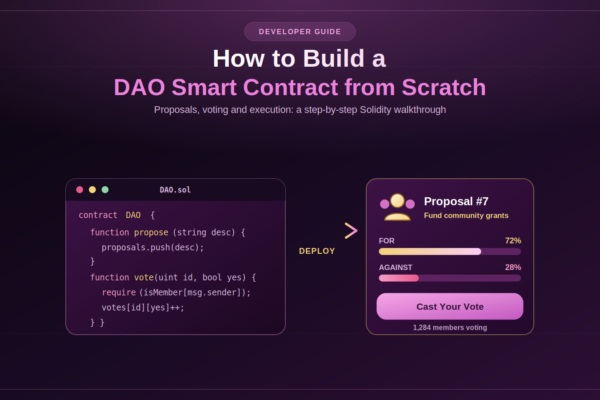
How to Build a DAO Smart Contract from Scratch

Decentralized Autonomous Organization (DAO) employs rules and smart contracts in blockchain technology for decision-making, management of common funds, and participation in governance by its members. As opposed to total dependence on a central authority, DAO may utilize rules that govern the process of creating, voting, and implementing proposals. Creating a DAO smart contract involves much…
Read More

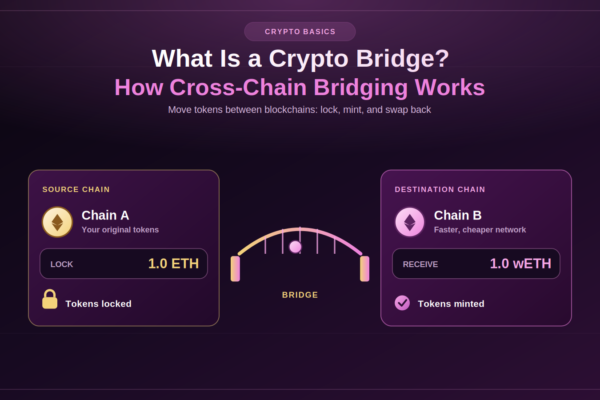
What is a Crypto Bridge? How Cross-Chain Bridging works

Crypto ecosystem comprises various blockchain networks with unique infrastructure, tokens, applications, and protocols. Bitcoin works in a distinct way from Ethereum, whereas blockchains like Polygon, Arbitrum, and Avalanche have distinct ways of processing their transactions. Such an architecture may hinder movement of tokens between various blockchains. A crypto bridge, alternatively known as a blockchain bridge,…

Read More

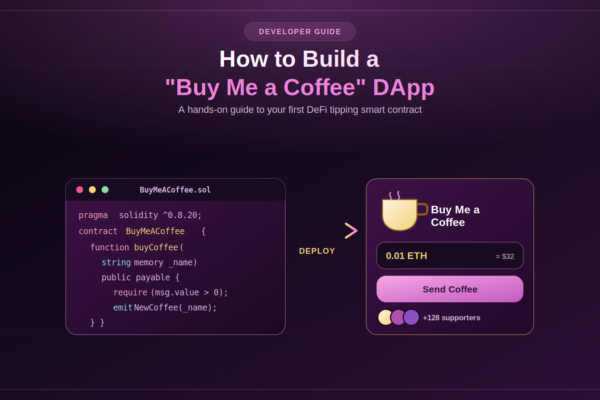
How to Build a “Buy Me a Coffee” DeFi DApp

“A Buy Me a Coffee” DeFi DApp is a decentralized implementation of a system that allows users to make direct payments of cryptocurrency to creators, artists, developers, writers, or any person. Using blockchain technology, this DeFi DApp does not require any payment processing services to facilitate the transparent and peer-to-peer payments between people. Development of…

Read More

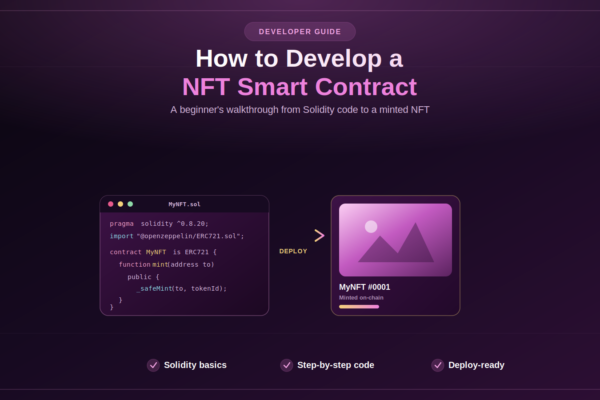
How to Develop a NFT Smart Contract

Construction of a NFT Smart Contract goes beyond just creating a digital asset. It entails knowledge of blockchain, selection of appropriate token standards, coding the smart contract, testing it, and then deployment on a blockchain platform. A good NFT smart contract governs the creation, transfer, ownership, and even sale or licensing of the NFT. Choose…

Read More

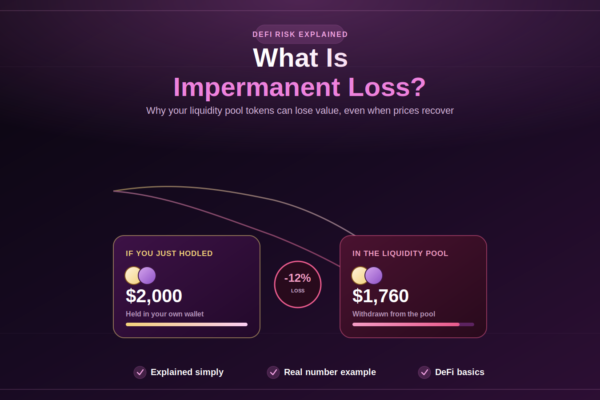
What is Impermanent Loss in Crypto?

Impermanent loss (IL) is the risk that investors face when depositing their cryptocurrencies into liquidity pools on decentralized exchanges (DEXs). This occurs due to changes in the relative prices of the tokens after the deposits have been made. This term is used because such a loss may be considered impermanent if the prices of the…

Read More