




2,000 Bitcoin move after 13 years as rare Casascius coins awaken, stunning crypto pur investors
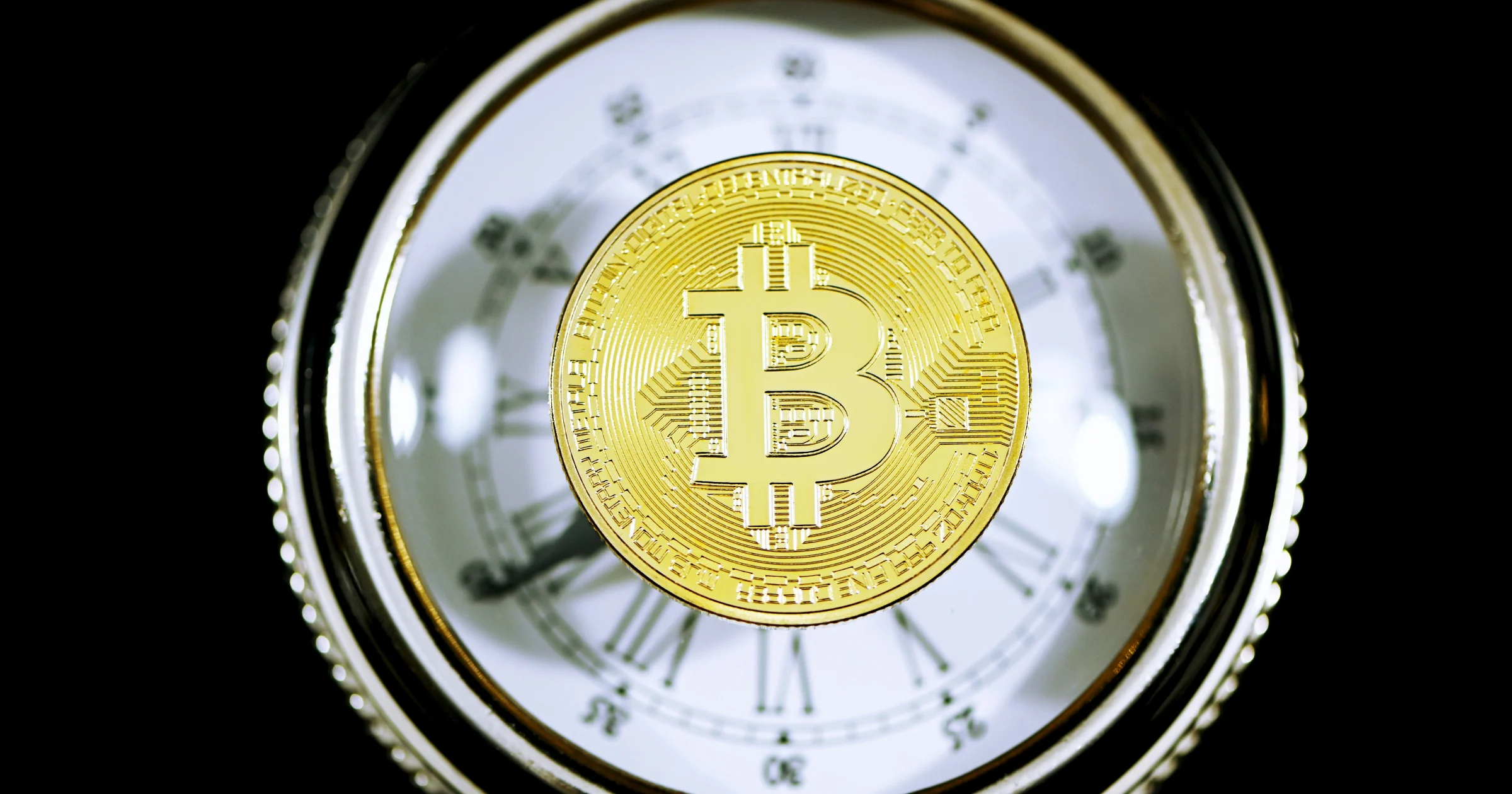
Two ultra-rare Casascius physical Bitcoin collectibles each loaded with 1,000 BTC, have just moved onchain for the first time in over 13 years, sparking excitement across crypto news circles and renewed curiosity about early blockchain technology history. Minted when Bitcoin traded for only a few dollars, these coins now represent a life-changing return for whoever controls their private keys.
2,000 Bitcoin awakened from 13-year sleep
Onchain trackers flagged activity from two long-dormant Casascius addresses linked to 1,000 BTC each, with the combined stash now worth roughly 179 million dollars at current prices. One of the coins was created in October 2012, when Bitcoin traded around 11.69 dollars, while the other dates back to December 2011, when BTC was just 3.88 dollars, implying a theoretical gain in the ballpark of a 2.3 million percent return before minting costs.
For the crypto pur community, these awakened coins are a reminder of how early adopters interacted with Bitcoin long before today’s exchanges, hardware wallets, and institutional custody. Rather than existing only as lines of code, these BTC were originally embedded into physical metal pieces, a unique bridge between the digital and physical worlds of blockchain technology.
What are Casascius coins?
Casascius coins were created between 2011 and 2013 by Utah-based entrepreneur Mike Caldwell as some of the earliest and most iconic physical Bitcoin collectibles. Each coin or bar contains a private key printed on a small piece of paper, sealed beneath a tamper‑evident hologram. Denominations ranged from 1, 5, 10, 25, 100, 500, and 1,000 BTC, making the highest tiers among the rarest and most valuable physical Bitcoin artifacts ever produced.
The idea was simple but powerful: Caldwell would load each piece with a specific BTC amount, allowing holders to store or gift Bitcoin in a tangible, collectible form. Eventually, US regulators raised concerns that the operation might qualify as an unlicensed money transmission business, prompting Caldwell to halt new production. That regulatory pressure turned existing Casascius pieces into even more coveted collectibles within crypto news and collector circles.
How Casascius coins work, and why moving them doesn’t always mean selling
Only a tiny number of 1,000 BTC units were ever produced, estimates point to 16 bars and 6 coins at that denomination, making each one exceptionally rare. To “redeem” the BTC, a holder must peel back the hologram, reveal the private key, and sweep the funds into a standard Bitcoin wallet. Once redeemed, the physical coin loses its onchain backing but may still retain numismatic value as a historic artifact.
Importantly, moving BTC off a Casascius coin does not automatically mean a massive market dump is coming. Some owners simply migrate their coins from a physical format to modern, more secure storage such as hardware wallets or multi-signature setups. In a well-known example, one holder of a 100 BTC Casascius piece explained that transferring to a hardware wallet was mostly a security decision, with no immediate plan to sell. For many early holders, the priority is safety and flexibility, not instant cash-out, even when the sums are life‑changing.
Why this matters for blockchain technology and crypto pur believers
The awakening of 2,000 BTC from early Casascius coins highlights several key themes for today’s blockchain and crypto pur communities:
- Time horizon: Some early adopters have been holding since single‑digit Bitcoin prices, reinforcing the long-term potential many still see in BTC and broader blockchain technology.
- Collector culture: Physical Bitcoin artifacts like Casascius coins show that crypto has always had a strong culture element merging tech, art, and scarcity in ways that still inspire today’s NFT and digital collectible trends.
- Onchain transparency: The fact that the community can track when such old coins move onchain demonstrates a core strength of public blockchains: open, verifiable transaction history that fuels real‑time crypto news analysis.
As rare early coins continue to resurface from cold storage, they serve as living history of Bitcoin’s evolution from experimental internet money at a few dollars per coin to a global asset class at the center of modern crypto markets. For long‑time and new crypto pur participants alike, these awakenings are a powerful reminder of just how far the ecosystem has come.