




Poland’s president vetoes strict crypto bill, warns it threatens civil freedoms and innovation
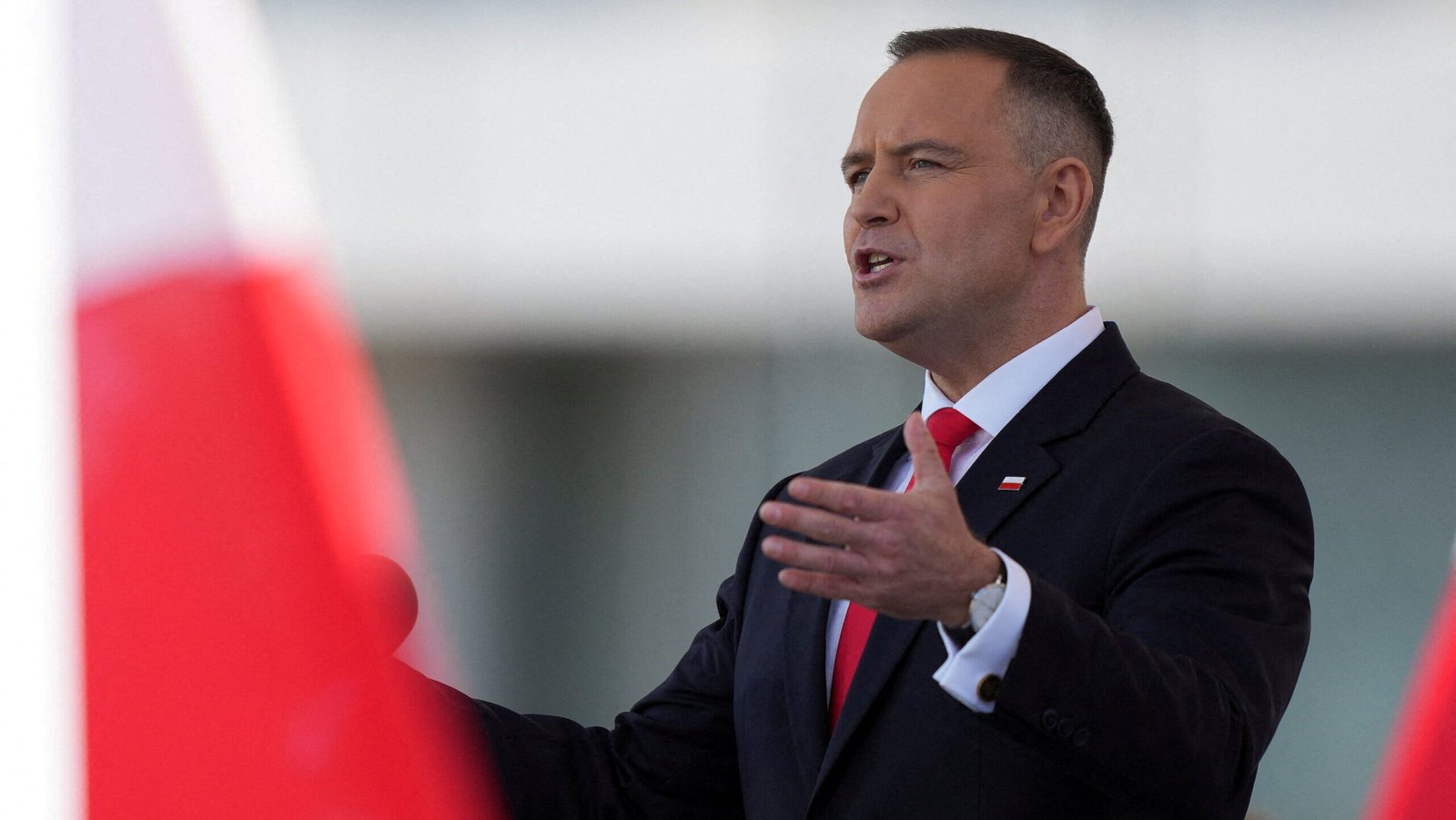
Poland’s President Karol Nawrocki has vetoed the country’s sweeping Crypto‑Asset Market Act, arguing it would overreach, curb innovation, and “threaten the freedoms of Poles,” igniting a heated political clash and energizing crypto news watchers and the crypto pur community. His office cited opaque domain‑blocking powers, excessive fees, and an overly complex rulebook as core reasons to reject the measure, even as supporters claimed it was needed to protect consumers and align with EU standards.
Why the veto happened
According to the president’s chancellery, the bill would have allowed authorities to disable crypto‑related websites “with a single click,” a censorship risk the office called opaque and prone to abuse. Nawrocki also criticized the law’s size and complexity over 100 pages versus far leaner frameworks seen in neighboring states, warning that such overregulation would drive firms and tax revenue to friendlier EU jurisdictions like the Czech Republic, Slovakia, Hungary, Lithuania, or Malta.
The president further objected to high supervisory fees, arguing they would choke startups while favoring large foreign corporations and banks, thereby “killing” competition and harming blockchain technology innovation. He emphasized that regulation should be proportionate, transparent, and user‑safe without turning domain blocking or compliance costs into market barriers.
Government backlash and industry pushback
Top officials blasted the veto. Finance Minister Andrzej Domański said roughly one‑fifth of Polish crypto users already lose money to abuses and accused the president of “choosing chaos,” asserting accountability for future harms lies with the veto decision. Deputy Prime Minister and Foreign Minister Radosław Sikorski argued the bill aimed to safeguard investors and that, when a market bubble bursts, citizens will “know who to thank” for losses.
Crypto advocates countered that enforcement failures not more red tape are the real problem. Polish economist Krzysztof Piech highlighted that the European Union’s Markets in Crypto‑Assets Regulation (MiCA) will impose investor protections bloc‑wide from July 1, 2026, regardless of Poland’s national bill, and that Poland still must designate a supervisory authority by then to avoid pushing registrations and revenue abroad.
What this means for crypto news, blockchain, and crypto pur
- Short term: Expect uncertainty for Polish crypto businesses as the political standoff continues; some firms may consider pivoting registrations to other EU states to maintain continuity under MiCA timelines. Meanwhile, users may see continued fragmentation in local compliance processes while supervisory responsibilities remain unresolved.
- Medium term: EU‑wide MiCA harmonization still arrives in 2026, but Poland must designate its crypto overseer or risk ceding market share and tax flows to other member states. Clear, proportionate rules could anchor onchain innovation at home without introducing the domain‑blocking risks and fee burdens flagged by the president.
- Long term: A slimmer, more targeted law focused on consumer protection, AML, and operational standards without opaque censorship tools could strengthen Poland’s position in blockchain technology, attract compliant builders, and reassure the crypto pur community that innovation and safety can coexist.
Bottom line
Nawrocki’s veto frames a high‑stakes choice: regulate in a way that protects users while preserving civil liberties and competitiveness, or risk overregulation that drives crypto businesses offshore. With MiCA’s 2026 deadline looming, Poland now faces a narrow window to craft a balanced framework that upholds freedoms, supports startups, and meets EU obligations without repeating the pitfalls flagged in the rejected bill.