



Crypto community ‘very sorry’ as Senator Lummis opts against 2026 re-election
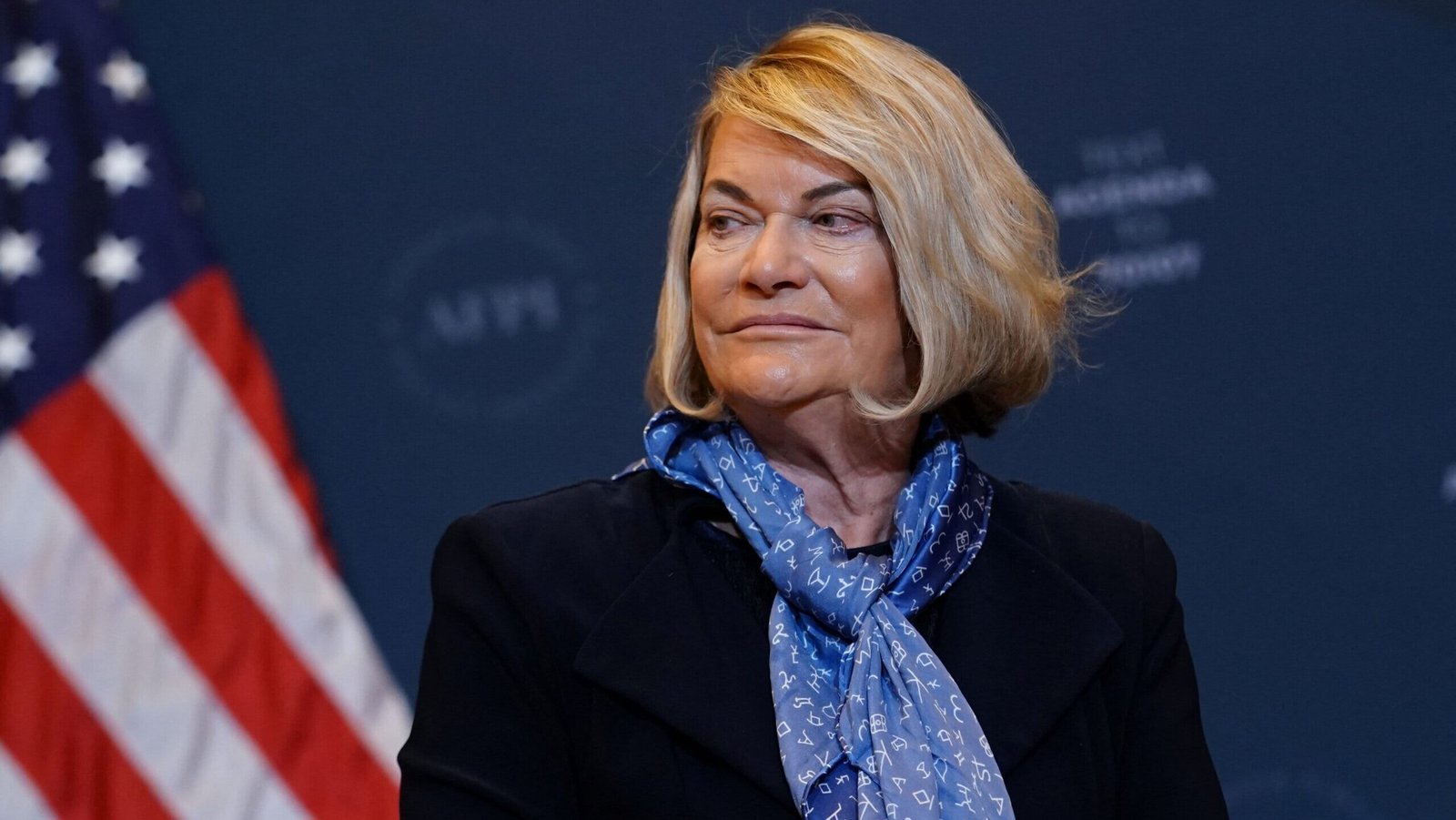
The crypto news ecosystem is reacting with a mix of gratitude and concern after United States Senator Cynthia Lummis, one of Washington’s most vocal digital asset advocates, announced she will not seek reelection in 2026. Many in the crypto pur community credit her with pushing blockchain technology and crypto regulation far further than would have been possible without her sustained effort.
Industry leaders say “crypto would not be where it is today.”
Figures across the industry quickly praised Lummis’ legacy. Senior policy voices noted that crypto “would not be where it is today” without her consistent fight in Congress to secure clearer rules for digital assets. Her work on landmark proposals like the Responsible Financial Innovation Act and the US Clarity Act helped move the regulatory conversation from enforcement-first hostility toward structured, bipartisan policymaking focused on clarity rather than punishment.
Colleagues and venture investors highlighted Lummis’ unique background often pointing out that “sometimes it takes a cattle rancher” to cut through Beltway inertia and drive real policy change. That plain‑spoken style and persistence won her respect among developers, entrepreneurs, and institutional players building on blockchain technology.
A key critic of regulation-by-enforcement steps aside
During the Joe Biden administration, Lummis became one of the sharpest Senate critics of former SEC Chair Gary Gensler’s regulation‑by‑enforcement stance on crypto. She frequently challenged the idea that innovation should be policed primarily through lawsuits and retroactive actions, arguing instead for forward-looking legislation that provides guardrails while allowing experimentation.
Her decision not to run again, explained in an X post where she said she does not have “six more years” in her and feels like “a sprinter in a marathon,” leaves a notable gap in pro‑crypto representation. Yet she framed the step back as personal rather than ideological fatigue, thanking supporters and hinting that her commitment to sound digital asset policy will continue from outside the Senate chamber.
White House and Bitcoin advocates express gratitude
Support and regret over Lummis’ departure came from both inside and outside government. The White House’s AI and crypto lead, David Sacks, publicly called her “a great ally on crypto” and said he was “very sorry to see her go,” underscoring how central she became to cross‑branch dialogue on digital asset issues.
Prominent Bitcoin advocates such as Natalie Brunell also thanked Lummis for “helping move the Bitcoin cause forward,” wishing her well in the next chapter. For many in the crypto pur community, Lummis represented the rare combination of ideological alignment with Bitcoin’s hard‑money ethos and practical legislative skill needed to convert those values into real-world policy changes.
“Job’s not done”: Policy push continues into 2026
Despite disappointment over Lummis’ decision, industry participants stressed that the policy fight will continue. Venture and fund leaders emphasized that “the job’s not done” and pointed to 2026 as a crucial year for passing key digital asset legislation. The timing is significant: her announcement arrived just a day after signals that Congress could move as early as January on the long‑awaited US Clarity Act, a bill designed to finally define how many crypto assets are treated under securities and commodities law.
For crypto news watchers and builders in the blockchain technology space, Lummis’s exit raises pressing questions: Who will pick up her mantle in the Senate? How quickly can pro‑innovation coalitions form to carry major bills across the finish line? And will the next wave of lawmakers understand the nuances of crypto pur values open access, decentralization, and programmable finance well enough to regulate without smothering?
What’s clear is that, while one of crypto’s strongest allies in Washington is stepping aside, the infrastructure she helped build—draft bills, bipartisan relationships, and a more informed policy debate will shape US digital asset regulation well beyond 2026.