



Cardano suffers temporary chain split from code bug, but ADA hangs on
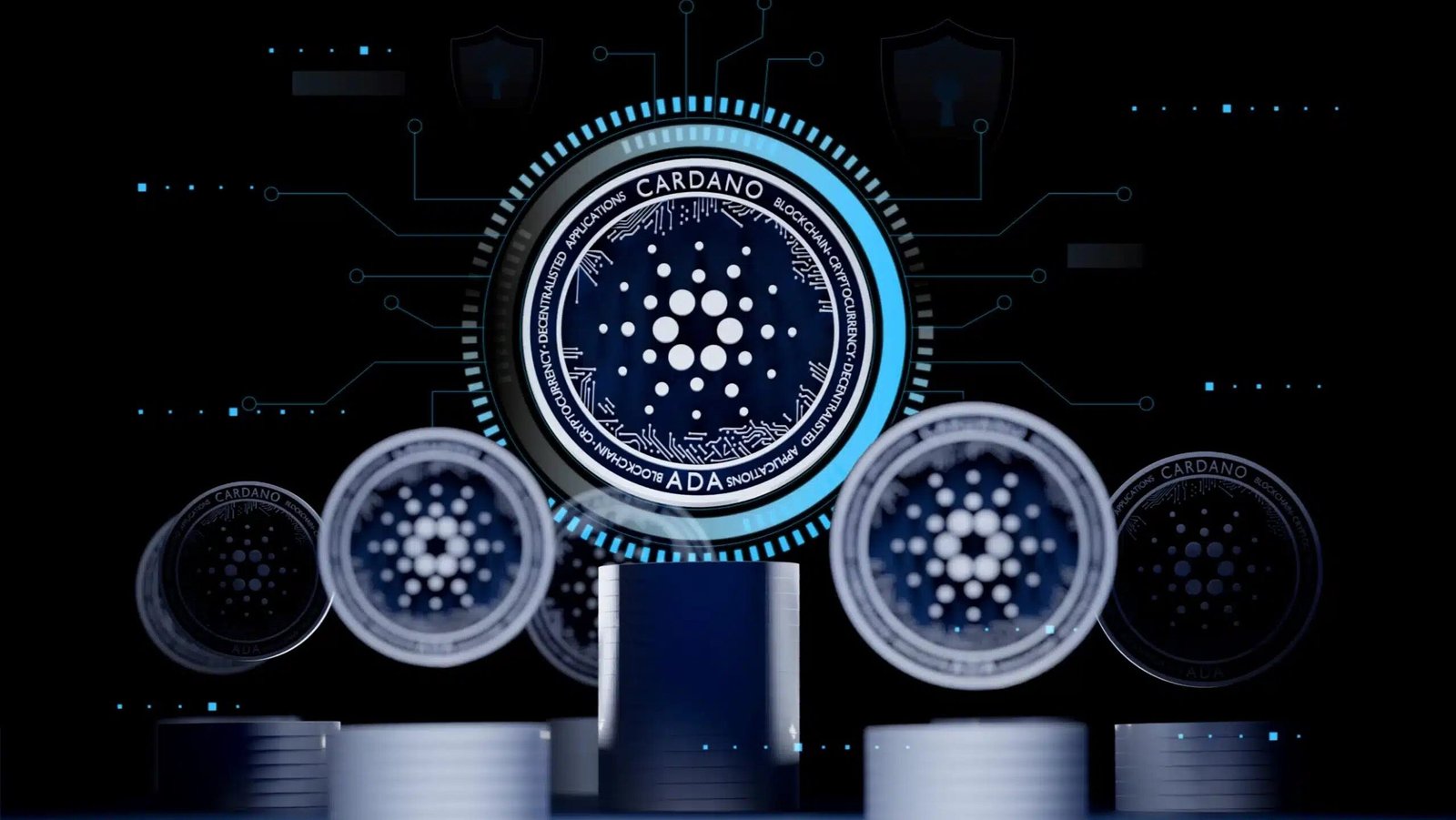
The Cardano blockchain network experienced a temporary chain split on Friday due to an old software bug triggered by an unusual transaction, causing concern in the crypto news community but showing resilience in its native token, ADA price amid a turbulent market.
What Happened: The Chain Split Explained
The issue stemmed from a “malformed” delegation transaction, a transaction that delegates ADA to a staking pool. While technically valid at the protocol level, such malformed transactions exposed a latent bug in Cardano’s underlying software library, leading to a network partition where some nodes disagreed on the transaction’s processing.
This network partition, also known as a chain split, temporarily created divergent blockchain histories. To address the split, staking pool operators were advised to update to the latest node software version, enabling the restoration of a single, unified blockchain state. However, the incident raised concerns about orphaned transactions and potential double-spends, which could lead to economic consequences for users affected by the temporary inconsistency.
Actor Behind the Incident and Community Reaction
The transaction that triggered the split was initiated by an ADA staking pool operator known as Homer J, who reportedly used AI-generated code to craft the malformed transaction. Homer J has accepted responsibility for the disruption.
The Cardano community was divided in its response. Some members appreciated the exposure of critical bugs that needed addressing, viewing the incident as a wake-up call. Conversely, Cardano founder Charles Hoskinson condemned the act as a hostile attack against the network. Hoskinson highlighted the seriousness of the event, noting the involvement of the US Federal Bureau of Investigation (FBI) in investigating potential felony cybercrime related to tampering with digital infrastructure.
Market Impact Amid Broader Crypto Volatility
Typically, network breakthroughs like chain splits negatively impact native token prices. Surprisingly, ADA’s price only slipped modestly, from $0.44 before the incident to around $0.40 following it, demonstrating a level of market resilience.
This minimal decline occurred against the backdrop of an extended crypto market downturn sparked by the October flash crash, which saw a record $20 billion liquidation event, the largest in crypto history.
Some community members commented that the incident went largely unnoticed due to what they perceive as less active use of the Cardano network, underscoring challenges in blockchain adoption despite solid technical foundations.
What This Means for Blockchain Technology Users and Investors
The Cardano network partition reflects the inherent risks in complex blockchain systems but also underscores the ongoing evolution and maturation of blockchain technology. Identifying and addressing such bugs is essential for building sustainable decentralized ecosystems that attract and retain confident long-term users, the core of the crypto pur movement.
For blockchain project developers, validators, and investors, the incident is a reminder that continuous protocol upgrades, rigorous software auditing, and swift responses to anomalies are critical to maintaining network integrity and trust.
Conclusion
Cardano’s temporary chain split caused by an obscure code bug serves as a significant learning moment for the blockchain community. Despite the disruption and ensuing FBI investigation, the network’s quick resolution and the modest drop in ADA’s price highlight resilience amid volatility. As blockchain technology platforms like Cardano navigate growing pains, the emphasis on security and stability remains paramount for fulfilling the promise of decentralized finance and broad crypto adoption.