


Binance Confirms Visa, Mastercard Withdrawal Pause for Ukrainian Users
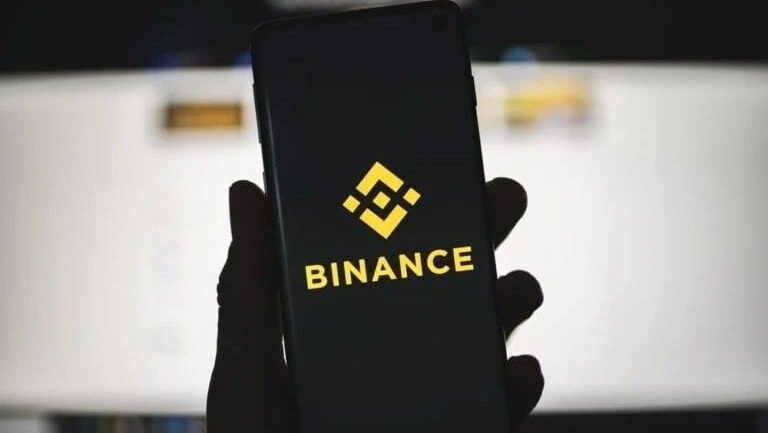
In one of the latest updates making headlines across crypto news, global exchange Binance has confirmed a temporary pause on Visa and Mastercard withdrawals for its users in Ukraine. The decision follows recent regulatory changes affecting its fiat services provider Bifinity UAB, signaling further realignments in how financial institutions interact with blockchain technology in regulated markets.
The temporary withdrawal suspension, which began on Monday, affects Ukrainian customers who previously used Bifinity-linked services. Local news outlets reported that the change came as part of Binance’s ongoing efforts to adapt to Europe’s tightening compliance environment, one that increasingly intersects with crypto pur communities and fintech infrastructure.
Regulatory Changes Force Payment Adjustments
A Binance spokesperson confirmed the suspension to Cointelegraph, saying, “The changes to payment methods apply exclusively to users from Ukraine who previously used Bifinity services.”
Back on December 15, Binance notified users that Bifinity UAB, its Europe-based fiat payment subsidiary, would cease operations by year-end due to a shift in regulatory policies. At the time, the exchange clarified that while some fiat payment methods would be affected, users’ ability to deposit, withdraw, buy, or sell crypto would remain uninterrupted.
Still, this new development temporarily limits direct withdrawals to bank cards issued by Visa and Mastercard. While card withdrawals are paused, core crypto trading functions and blockchain-based transactions remain fully operational. This ensures users can still access the blockchain ecosystem for digital asset trading and peer-to-peer activity.
What Ukrainian Users Should Expect
According to multiple Ukrainian media reports, Binance also informed users that recurring crypto purchases and fiat-based limit buy orders won’t process during the suspension period. However, not all payment services are impacted.
Ukrainian users can still:
- Deposit funds using Visa and Mastercard for inbound transactions.
- Make account top-ups via Apple Pay and Google Pay.
- Use Swift transfers for both deposits and withdrawals.
Binance emphasized that “the changes are not related to the National Bank of Ukraine and do not affect P2P operations,” which continue to operate normally.
The exchange also noted that Zen.com, a payment platform widely used for euro and Polish zloty transactions, will experience temporary limitations for Ukrainian users. Full functionality is expected to resume on Jan. 6, 2026. In the meantime, users seeking to move funds off the platform can rely on Swift transfers or peer-to-peer (P2P) trading, where permitted.
Binance Faces Renewed Scrutiny
The regulatory turbulence in Ukraine comes at a time when Binance is once again under global scrutiny. A recent Financial Times investigation alleged that Binance allowed potentially suspicious accounts to continue processing transactions even after its $4.3 billion settlement with the U.S. Department of Justice in 2023.
The report identified 13 accounts that had processed approximately $1.7 billion in transactions since 2021, including around $144 million after Binance entered its plea agreement. The accounts were reportedly linked to users across multiple high-risk jurisdictions, a revelation that renewed debates over compliance practices within the crypto pur ecosystem.
In response, Binance rejected the narrative, telling Cointelegraph that all historical transactions had been evaluated “based on the information available at the time.” The company emphasized that none of the wallets mentioned were on any sanctions lists when their activities took place.
Bridging Regulatory Compliance and Blockchain Innovation
This latest development highlights the delicate balance between regulatory compliance and the open-access ethos of blockchain technology. While traditional payment networks like Visa and Mastercard remain critical for fiat on- and off-ramps, crypto exchanges continue to face challenges navigating evolving regulatory landscapes, particularly in regions affected by conflict or cross-border financial restrictions.
For Ukrainian crypto pur users, the ongoing adjustments show that while centralized exchanges like Binance remain operationally strong, dependency on traditional payment systems still exposes users to policy-driven disruptions.
As the industry matures, analysts expect a broader shift toward decentralized finance (DeFi) alternatives and blockchain-native payment solutions. These could eventually reduce reliance on external intermediaries and create a more stable transactional ecosystem for global crypto users.
Despite the temporary setbacks, Binance reaffirmed its commitment to local users, saying it is “actively working to restore full service and maintain stable access to both crypto and fiat tools.”