


Is Venezuela Hiding a 600K Bitcoin Reserve? Analysts Still Unsure
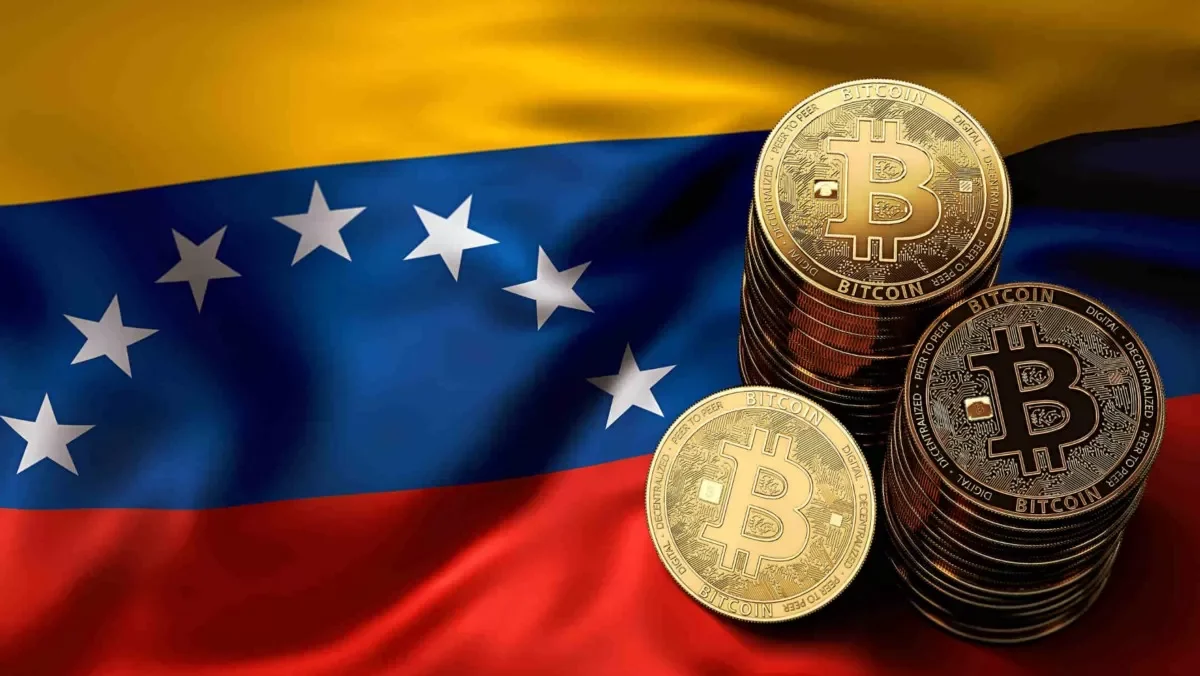
Speculation that Venezuela may secretly control a massive 600,000 Bitcoin reserve worth around $60 billion has surged through crypto news, but onchain analysts and intelligence firms say there is still no concrete proof. The rumor rests more on extrapolated gold-sale math than on verifiable blockchain evidence, keeping the story firmly in the realm of theory for now.
How the 600,000 BTC theory started
The current narrative gained traction after investigative journalist Bradley Hope outlined a theory that Venezuela’s government had been converting gold into Bitcoin over several years. His report, co-authored for the Whale Hunting newsletter, claimed that a Swiss lawyer allegedly controls wallet access and floated a potential role for Alex Saab, a senior Venezuelan official already sanctioned by the United States.
The headline figure of 600,000 BTC does not come from traced wallets, but from estimating how much Bitcoin could have been bought if proceeds from Venezuela’s gold sales since 2018 were systematically converted into BTC. This includes a 73‑ton gold sale that reportedly represented about 40% of the country’s reserves. By contrast, public trackers such as BitcoinTreasuries.net list Venezuela at roughly 240 BTC, or around $22 million, based on limited disclosures since 2022.
Whale Alert co-founder Frank Weert noted that such a huge stash would likely leave a detectable footprint. “If they actually possessed 600,000 Bitcoin, then they managed to fool a lot of blockchain analysts,” he said, stressing that extraordinary claims need “serious proof.” He also cautioned that even the 240 BTC figure may not rest on fully verifiable transactions, underscoring how uncertain current estimates remain.
Early crypto adoption without transparent reserves
What is clear is that Venezuela has been an unusually early government adopter of blockchain technology. Under President Nicolás Maduro, the country launched the oil‑backed Petro digital currency in 2018, directing state entities to use crypto-based payment mechanisms, especially for oil and cross‑border trade. The Petro project was officially shut down in early 2024 after six years, but it demonstrated Caracas’s willingness to experiment with alternatives to the traditional banking system.
Ari Redbord, global head of policy at TRM Labs, noted that Venezuela has at times routed oil sales through digital wallets rather than correspondent banks, reinforcing the perception that crypto tools are integrated into state financial operations. Meanwhile, rampant inflation in the bolívar has driven citizens toward crypto and stablecoins as hedges, helping Venezuela rank 11th globally for crypto adoption in a 2025 TRM Labs report. For the crypto pur community, this positions the country as a textbook case of grassroots and state-level adoption—even if the size of official reserves is opaque.
Why onchain tracing hasn’t settled the question
Despite the buzz, major blockchain intelligence firms have not published evidence of a hidden Venezuelan mega‑reserve. Platforms like Arkham do not maintain clearly labeled Venezuelan state wallet clusters, and Chainalysis and Elliptic declined to comment on any potential sovereign holdings.
Nansen head of research Aurelie Barthere told Cointelegraph that analysts have identified some Venezuela‑linked clusters, including state-aligned exchanges such as Criptolago, but attribution is extremely difficult. She explained that state actors can use:
- Fragmented unhosted wallets and offshore OTC brokers
- Peeling chains that split large sums into many smaller transfers over long address sequences
- Coin mixers like Tornado Cash, cross‑chain swaps, and even state-controlled mining to generate “clean” coins
These tools complicate efforts to tie flows definitively to a government entity. Barthere noted that even advanced behavioral analytics and clustering heuristics only go so far; without access to private keys or internal records, analysts often end up with plausible scenarios rather than courtroom‑grade proof.
Why the rumor persists
The idea that a sanctions‑hit petro‑state might quietly hoard Bitcoin fits neatly into popular crypto news narratives: hard money versus fiat, censorship‑resistant rails versus dollar hegemony, and distressed regimes turning to blockchain technology to sidestep restrictions. Venezuela’s real history gold exports under scrutiny, experimental national crypto projects, and documented use of digital wallets for oil sales keep speculation alive even in the absence of onchain confirmation.
For now, though, the consensus among professional analysts is cautious: Venezuela clearly uses crypto rails, but any claim of a 600,000 BTC reserve remains unproven and highly speculative. Until verifiable wallet clusters or official disclosures emerge, the story is best treated as a high-profile hypothesis rather than an established fact, even if it continues to fascinate crypto pur observers worldwide.