


What is a DEX? How Does a Decentralized Exchange Work?
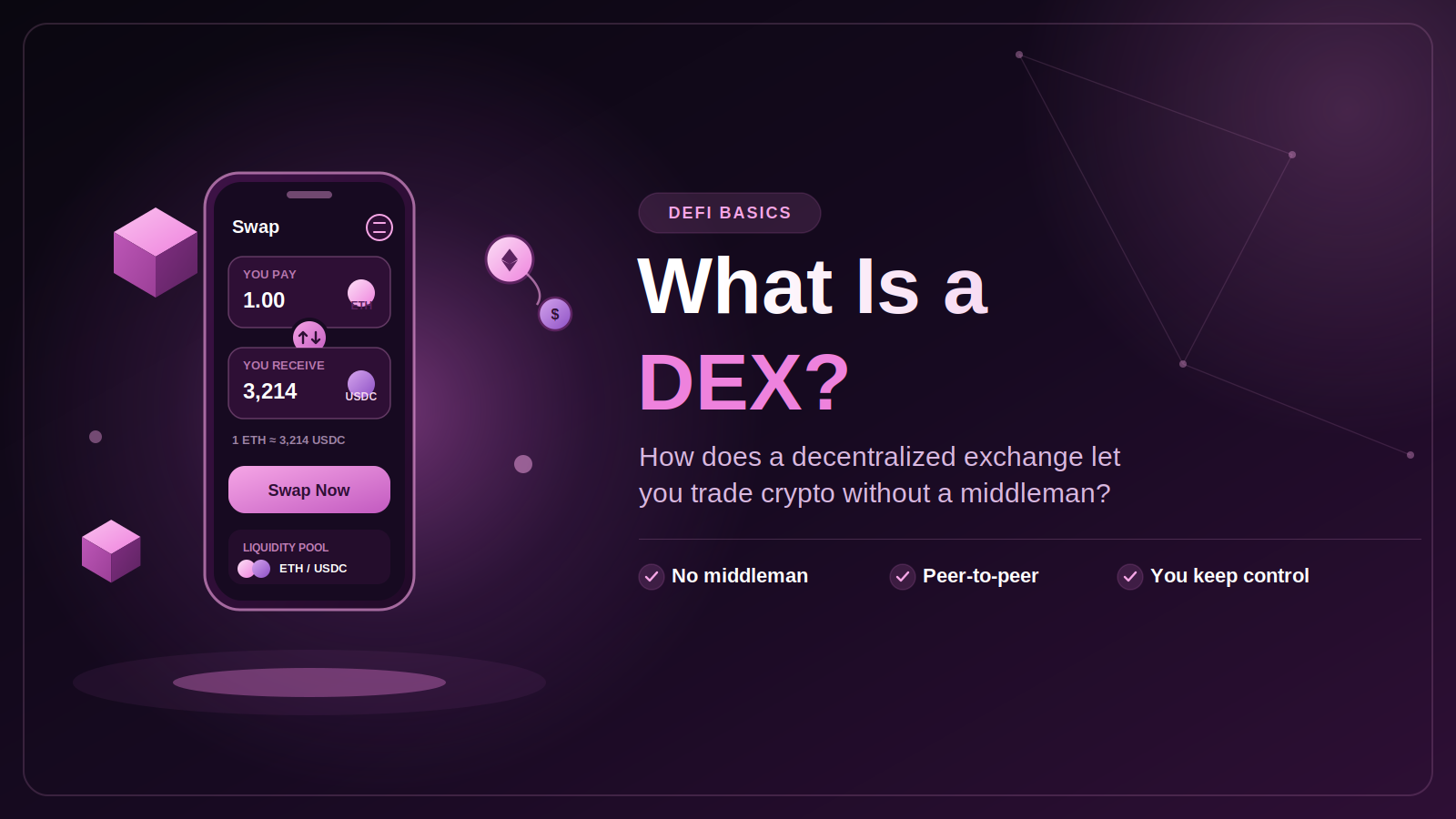
Decentralized Exchange (DEX) is defined as the crypto currency exchange network in which one can trade his/her cryptocurrencies directly from his/her crypto wallet without needing any third party or intermediaries.
Unlike a centralized exchange where the users transfer their money to an exchange’s wallet for trading, with a decentralized exchange, the users retain all the control over their cryptos during the process of trading. This is because the trades are made through smart contracts that follow pre-coded instructions on the blockchain.
How Does a DEX Work?
- Decentralized exchange helps link buyers and sellers through the use of blockchain technology and smart contracts in contrast to using one organization to handle transactions.
- Typically, most DEX platforms make use of liquidity pools where users contribute cryptocurrency pairs to smart contracts.
- It is by means of the assets pooled together that liquidity for trading of tokens becomes possible without having to wait for a traditional buyer or seller.
- Once a user triggers the trade, smart contracts automatically do the calculation of exchange rate depending on liquidity in the pool and execute the trade upon acceptance by the user in his or her crypto wallet.
- This way, users can always do the trades using their wallets hence keeping their private keys under their control.
Key Features of a Decentralized Exchange
Absence of Central Authority
- The Decentralized Exchange doesn’t have any particular firm handling user money and authorizing transactions. Rather, the entire procedure is automated by the blockchain and smart contracts and at the same time the users themselves take care of their own assets.
Self-Custody of Funds
- On a decentralized exchange platform, there is no need for users to put their cryptocurrencies in wallets controlled by the exchange itself; rather they can trade using their personal wallets, such as MetaMask or other compatible cryptocurrency wallets.
Smart Contract Based Trading
- All the trades on a Decentralized Exchange Platform happen with the help of smart contracts and thus the entire process becomes automated.
Large number of tokens Available
- New cryptocurrencies launched get listed on decentralized exchanges prior to their listing on any centralized exchanges.
Enhanced Privacy
- Most of the decentralized exchanges don’t require their users to make an account and go through the KYC procedure for normal trading.
Advantages of Using a DEX
- The user retains full authority over their cryptoassets due to the fact that the money stays in their wallet until the transaction gets approved.
- Decentralized exchanges minimize the chance of hacks at the exchange level, where hackers steal the money stored in the deposit from the users.
- Any individual with a suitable crypto wallet and an internet connection can use a decentralized exchange without having to deal with the traditional banking system.
- The decentralized character of such exchanges allows for permissionless trading.
Limitations of a DEX
- For new users, using decentralized exchanges can prove to be difficult since the user has to personally deal with crypto wallets, their private keys, and the network fees on the blockchain.
- The transactions could be slower or cost more money during high congestion on the blockchain network.
- The users have complete responsibility to verify the wallet address and confirm the transactions since errors cannot be undone.
- There might be smaller tokens that suffer from lack of liquidity causing price slippage.
Popular Uses of DEXs
- Making swaps from one crypto asset to another without using an exchange.
- Trading on newly issued blockchain tokens.
- Engaging in DeFi protocols and applications.
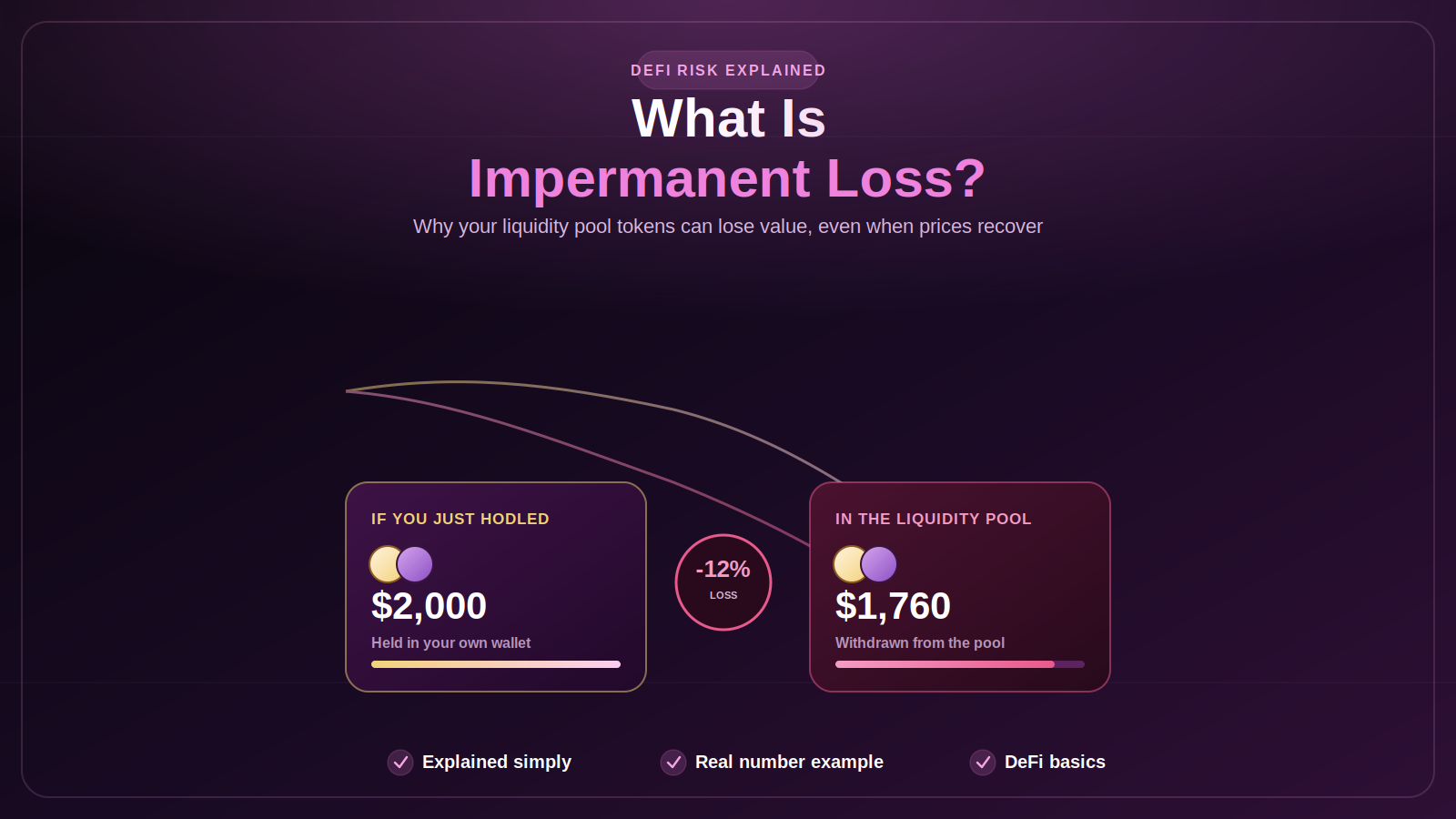
- Supplying liquidity and getting rewarded for providing the service.
- Connecting crypto wallets with blockchain services directly.
Decentralized exchanges have emerged as an essential component of the cryptocurrency landscape, enabling users to trade their assets directly from their wallets without involving any intermediary service providers. With the use of smart contracts and liquidity pools, DEXs provide more freedom and transparency to traders along with promoting the expansion of DeFi.
Even though decentralized exchanges demand more effort from users in terms of asset management and knowledge of blockchain, they serve as a valuable alternative to conventional crypto exchanges.
FAQs
What is a decentralized exchange (DEX)?
A decentralized exchange (DEX) is a blockchain-based platform that allows users to trade cryptocurrencies directly from their wallets using smart contracts instead of a centralized intermediary.
Do I need an account to use a DEX?
Most decentralized exchanges do not require users to create an account. You simply connect a compatible cryptocurrency wallet to begin trading.
Are DEXs safer than centralized exchanges?
DEXs reduce the risk of losing funds through centralized custody because users retain control of their assets. However, users are responsible for protecting their wallets, private keys, and approving legitimate transactions.
What is the difference between a DEX and a centralized exchange?
A centralized exchange manages user funds and facilitates trades through a company-operated platform, whereas a DEX uses smart contracts to enable direct wallet-to-wallet trading while allowing users to maintain control of their cryptocurrencies.